Photo: Gold & Goose / Red Bull Content Pool

Why testing the 2027 MotoGP bikes is so limited?



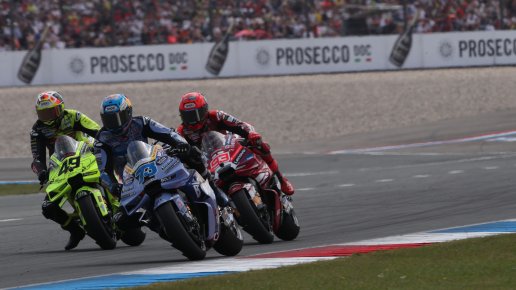
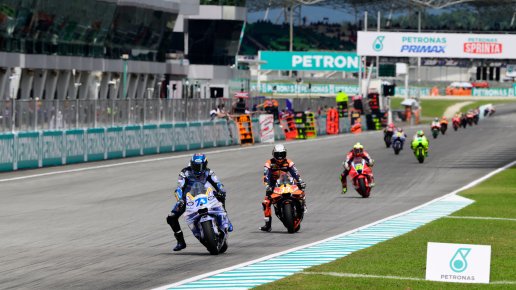
MotoGP is preparing for major rule changes in 2027, including new bikes, engines, and tyres. However, strict testing rules mean only a small number of riders can try these machines before the season ends, making development more challenging for teams.
F1 & MotoGP news to your inbox every day.
MotoGP is getting ready for one of the biggest changes in its history. In 2027, the sport will introduce completely new rules, and this will affect every team, every rider, and every bike on the grid.
The most important change is the engine size. The current bikes use 1000cc engines, but from 2027 this will be reduced to 850cc. This is meant to make the bikes a bit slower, safer, and more efficient. At the same time, the rules for aerodynamics will become stricter. Teams will not be allowed to use as many complex wings and devices as they do now. Ride-height devices, which help bikes lower themselves for better speed, will also be removed. In addition, a new tyre supplier, Pirelli, will replace Michelin, which means teams must design bikes that work well with completely different tyres.
Because all of these changes are happening at once, building a competitive bike for 2027 is a very difficult task. Teams cannot simply adjust their current machines. Instead, they must design new bikes almost from the beginning. This is why testing is so important. Without enough testing, teams cannot understand how their bikes behave, how the tyres work, or how to make the riders feel comfortable.
However, MotoGP has strict rules about who can test these new bikes and when they are allowed to do it.
At the start, only official test riders can ride the 2027 machines. These riders are not part of the normal race weekends. Their job is to spend many days on track, trying different parts and setups. They give feedback to engineers so the bikes can improve step by step. Manufacturers like KTM, Honda, Yamaha, Ducati, and Aprilia have already started early development work with their test teams. These sessions often take place quietly, away from the public eye, at private tests.
Race riders, who compete every weekend, must wait before they are allowed to try the new bikes. According to the rules, they cannot test the 2027 machines until after 22 June, which is just after the Czech Republic Grand Prix. This delay is designed to keep the competition fair during the current season. If race riders tested too early, some teams might gain an unfair advantage.
Once this date has passed, some official test sessions will take place during the season. These are usually organised after certain races, at tracks such as Spielberg in Austria or Valencia in Spain. During these sessions, selected race riders will finally get the chance to ride the new bikes and give their opinions.
But even at this stage, not every rider is allowed to take part.
A very important rule says that only riders who already have a contract with their current team for 2027 can test the new bike. This rule limits the number of riders quite a lot. In MotoGP, contracts often change, and many riders move between teams. If a rider is planning to leave their team, they are not allowed to test the future bike, because it would mean sharing valuable information with someone who will soon join a rival.
For example, if a rider is staying with the same manufacturer for 2027, they can take part in testing. But if they have signed a deal to move to another team, they must wait. They cannot test their future bike yet, and they also cannot test for their current team if they are leaving. This creates a complicated situation where only a small group of riders are eligible.
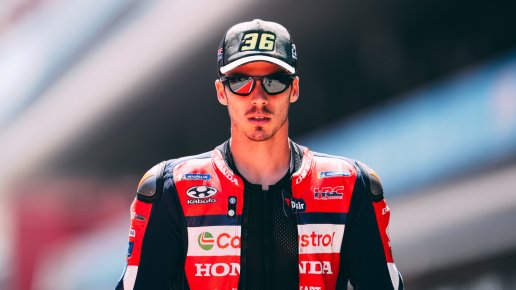
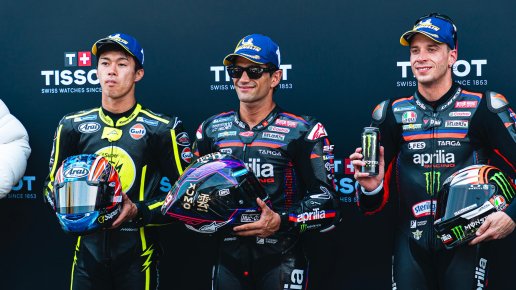
Because of these restrictions, it is expected that only around seven full-time riders will be able to test the 2027 bikes during the in-season sessions. The exact number may change depending on contracts and team decisions, but it will remain quite limited.
This situation is not ideal for teams. Normally, teams want as much feedback as possible from their main riders, because these are the people who will race the bikes in the future. Test riders are very skilled, but they do not always ride in the same way as race riders. Having feedback from both types of riders is very important for development.
There is, however, one moment when things may become easier.
After the final race of the season in Valencia, there is usually an official test. At this point, the rules may become more flexible. Riders could be allowed to test for their future teams straight away, even if their contracts have not officially ended yet. This would mean that riders changing teams could finally try their new bikes without waiting until 2027.
If this happens, the Valencia test will be extremely important. It will be the first time that many teams can gather full feedback from the riders who will actually race their bikes in the future. Engineers will use this information to make final improvements before the first official tests of 2027 begin.
These changes also make the work of engineers much more complex. They must design bikes that follow new technical rules, work with new tyres, and suit the riding styles of different riders. At the same time, they have limited opportunities to test with their main riders. This means every test session becomes very valuable, and teams must plan carefully to make the most of each one.
For riders, the situation is also challenging. Learning a new bike takes time. They must understand how it brakes, how it turns, and how it accelerates. With fewer testing opportunities, riders will need to adapt quickly. Those who get more time on the new machines may have an advantage when the 2027 season begins.
In simple terms, MotoGP is entering a period of big change and careful planning. The new 2027 rules will reshape the sport, but strict testing limits mean that progress will happen step by step. Test riders are doing the early work, a small group of race riders will join later, and the full picture will only become clear at the end of the season.
By the time the first race of 2027 arrives, every team hopes they will be ready. But with so many new elements and limited testing, no one can be completely sure who will have the best bike. That uncertainty is part of what makes MotoGP so exciting.
Riders confirmed to test so far
| Rider | 2026 | 2027 | |
| Marc Márquez | Ducati | Ducati | |
| Marco Bezzecchi | Aprilia | Aprilia | |
| Fermin Aldeguer | Gresini | VR46 | |
| Johann Zarco | Honda LCR | Honda LCR | |
| Diogo Moreira | Honda LCR | Honda | |
| Toprak Razgatlioglu | Pramac Yamaha | Pramac Yamaha | |
| Ai Ogura | Trackhouse | Trackhouse |