Photo: Formula One Management

F1 and FIA introduce new terminology ahead of 2026 rules overhaul



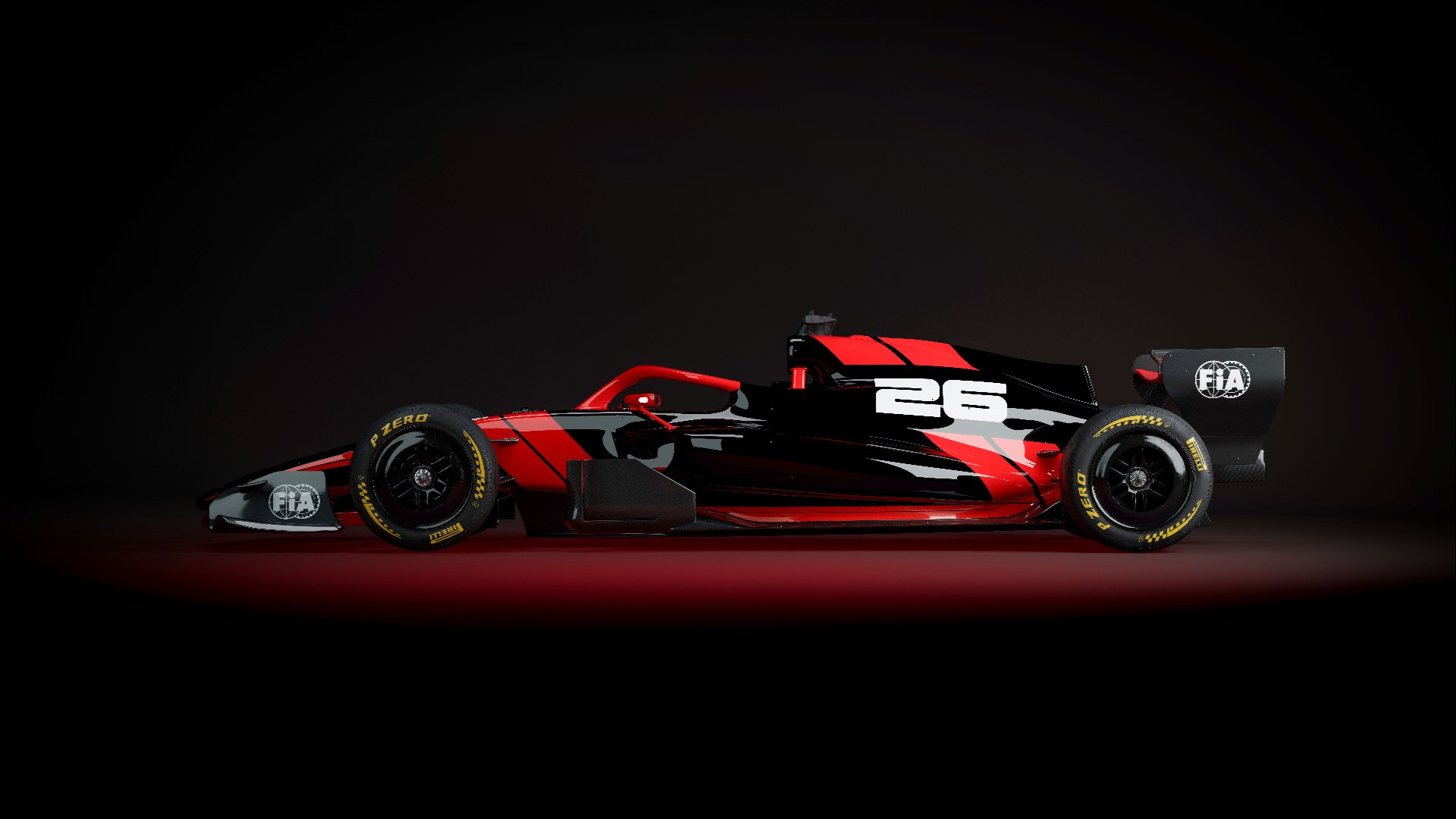
Formula 1 and the FIA have presented new terminology ahead of the 2026 season, which will bring major changes to the sport’s technical regulations.
F1 & MotoGP news to your inbox every day.
Formula 1 is preparing for a new era starting in 2026, with one of the biggest technical rule changes in its history.
The new engines will run on 100 percent sustainable synthetic fuel and will feature a much stronger electric component than today’s cars. Power will be split evenly between the internal combustion engine and the electric system, making energy management a key part of race strategy. Drivers will no longer rely mainly on raw engine power, but on how and when energy is deployed.

Alongside the new power units, the 2026 regulations aim to improve racing and overtaking. With less reliance on traditional aerodynamic concepts, Formula 1 is introducing active aerodynamic systems that allow cars to adapt between corners and straights.
To help fans better understand how these new systems work, F1 and the FIA have also introduced new terminology. These terms describe how drivers can deploy power, recharge energy and adjust aerodynamics during a lap, and they will become a key part of the sport’s language in the years to come.
OVERTAKE MODE
Overtake Mode is a system designed to assist overtaking. A driver can activate it when running within one second of the car ahead (at detection point). It replaces the DRS system and provides extra power to support an overtaking move. Drivers can choose to deploy the additional energy all at once or spread it strategically over the course of a lap. The aim is to encourage more natural on-track passing without the use of artificial overtaking zones.
BOOST MODE
Boost Mode is a driver-operated energy deployment tool from the hybrid Energy Recovery System (ERS). It can be used anywhere on the circuit and is available for both offensive and defensive purposes, depending on track position. When activated at the push of a button, it delivers maximum combined power from the internal combustion engine and the battery. Unlike Overtake Mode, Boost Mode is not linked to the distance to another car.
ACTIVE AERO
Active Aero allows the front and rear wing elements to adjust dynamically depending on the situation on track. Different modes are used for corners and straights, increasing downforce through high-speed sections while reducing drag on straights. This system helps drivers make full use of the available power and replaces the passive aerodynamic concepts used on current Formula 1 cars. It represents one of the biggest aerodynamic changes in the history of the sport.
RECHARGE
Recharge refers to the process of recharging the battery while driving. Energy is recovered under braking, during throttle lift at the end of straights and even in corners where only partial throttle is applied. Managing recharge and energy usage will be a key strategic factor in every race.