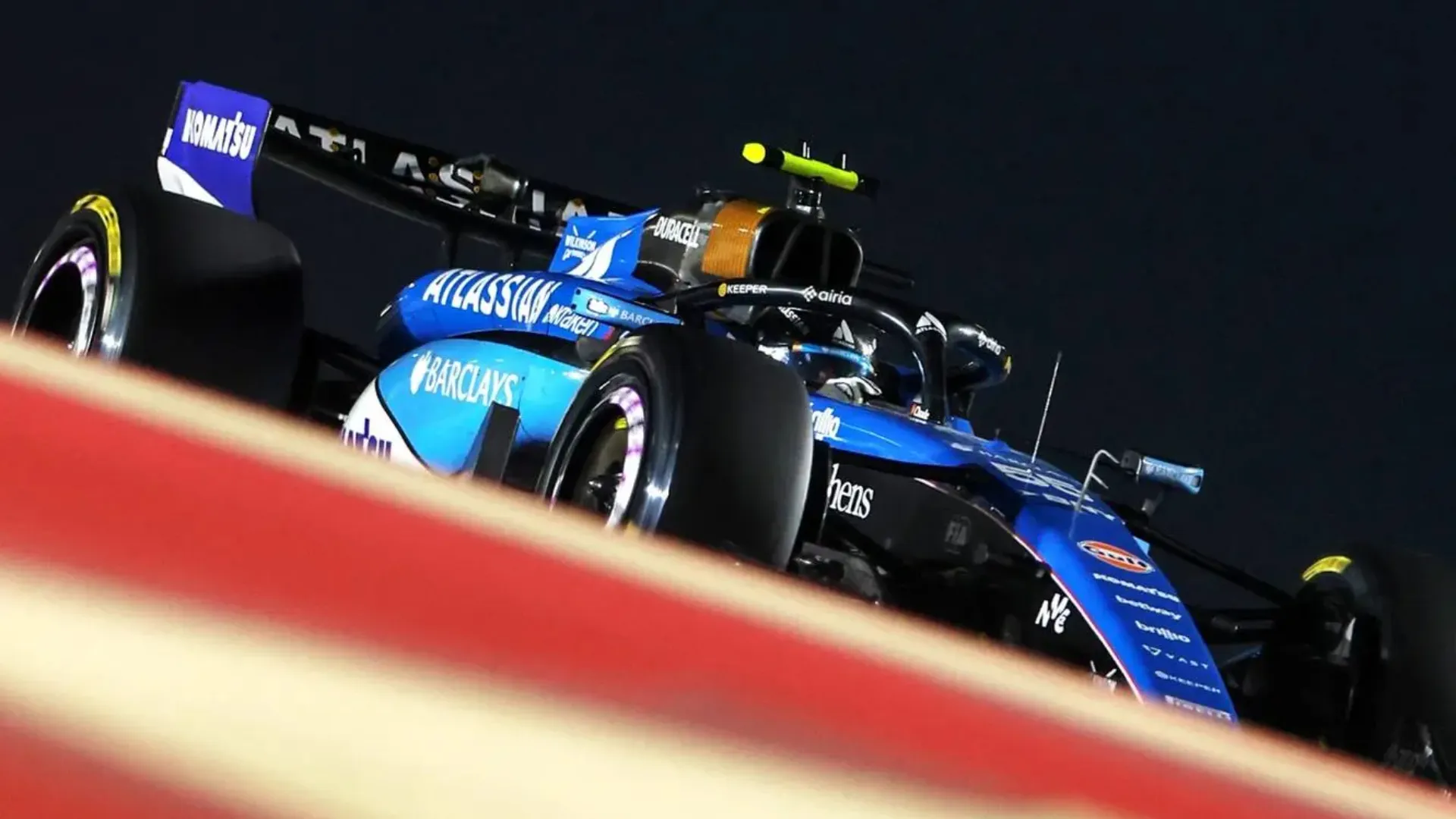
Photo: Williams

Sainz urges FIA and F1 to remain flexible over 2026 energy rules



Carlos Sainz has called on Formula 1 and the FIA to keep an open mind regarding the new 2026 power unit regulations, warning that early signs suggest energy management demands could prove too extreme at certain circuits.
F1 & MotoGP news to your inbox every day.
The introduction of Formula 1’s new 2026 regulations has placed energy management firmly in the spotlight, with drivers and teams still discovering how the revised power units behave across different track layouts.
Under the new rules, power output is split evenly between the internal combustion engine and the electrical system, with the battery now delivering 350kW, a significant increase compared to the previous generation. As a result, harvesting and deployment strategies have become central to performance over a single lap.
Pre-season testing highlighted how much lift-and-coast may be required at some venues, prompting criticism from several drivers. While Bahrain’s heavy braking zones offer reasonable opportunities for energy recovery, other circuits present a different challenge.
Melbourne, which hosts the season opener at Albert Park, features long flat-out sections and only one major braking zone. The high-speed sequence between Turns 11 and 12, combined with the run from Turn 6 to Turn 13, limits harvesting potential and increases the risk of drivers having to manage energy more aggressively during racing conditions.

"Melbourne is going to be more challenging for sure, but I cannot tell you by how much because I haven't been in the simulator with what we're going to find in Melbourne," Sainz said, as quoted by RacingNews365.
"My message to F1 and the FIA is that at the start of the year, we need to stay open-minded in case the regulations we've come up with are maybe too exaggerated on the amount of harvesting and deployment we do on a lap.
"At some circuits, it will be okay, like potentially here in Bahrain, even though I still think here is not fully okay with what we're seeing so far, but tracks like Melbourne and potentially Jeddah will be more energy-demanding.
"I think we might need to adjust the regulations a bit, and fair play, it is not easy because it is such a big change, because I don't think anyone knew how to predict how much downforce and drag the car was going to have, and what level of deployment teams would come up with. My only ask would be to stay open in case we need to fine-tune or adjust to make the category and the show even better. That is my only message.I think we should start flexible, rather than be committed to a certain level of energy management," the Williams driver concluded.
With the championship set to begin in Australia, attention will now shift from testing simulations to real race conditions. The opening rounds are likely to provide the first clear indication of whether the current balance between harvesting and deployment delivers close racing, or whether Sainz’s call for flexibility will gain further support inside the paddock.