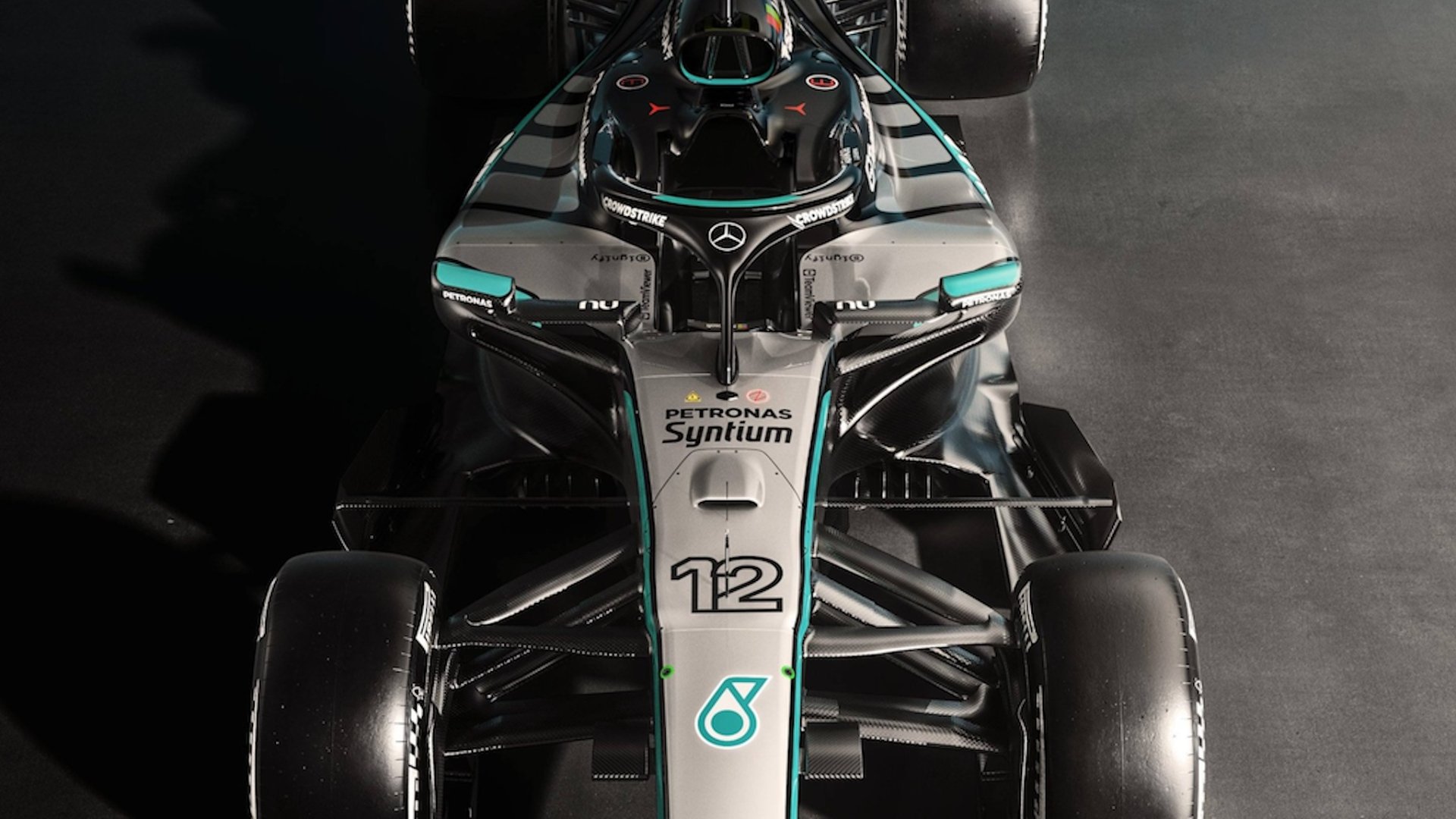
Photo: Mercedes F1

Will Mercedes lose an advantage? FIA closes engine loophole ahead of Monaco



The Monaco Grand Prix will mark the first Formula 1 race to be held under revised power unit regulations after the FIA moved to close a loophole that had reportedly been exploited by Mercedes High Performance Powertrains.
F1 & MotoGP news to your inbox every day.
During pre-season, reports emerged that Mercedes HPP had found a way to achieve a compression ratio of up to 18:1 in its 2026 power unit, despite the regulations specifying a maximum ratio of 16:1. It is understood that Red Bull Powertrains also explored a similar concept during development before ultimately abandoning it.
The issue centred on the wording of the regulations. Under the original rules, the compression ratio was measured when the engine was at ambient temperature in the pit lane. This created a potential opportunity for manufacturers to design engines that complied during inspections but operated with a higher effective compression ratio once running at full operating temperatures on track.
According to paddock speculation, Mercedes' solution relied on the use of heat-expanding materials within the engine. As temperatures increased, the geometry of certain components could change slightly, allowing the compression ratio to rise beyond the figure measured during FIA checks.
Following concerns raised by rival manufacturers, the FIA agreed to revise the regulations. From June 1, the compression ratio will be measured with the engine at 130°C, eliminating the possibility of exploiting the temperature-related discrepancy.
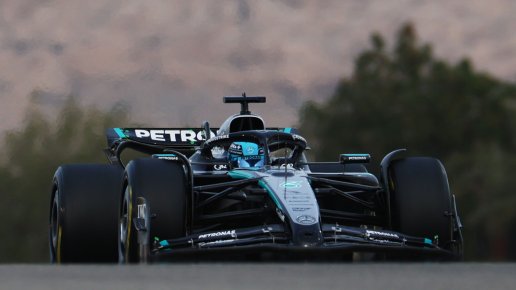
The rule change had originally been scheduled to take effect on August 1, after the Hungarian Grand Prix. However, the FIA decided to bring it forward, meaning the revised regulation will already be in force for the Monaco Grand Prix.
The key question now is whether Mercedes will lose a significant performance advantage. While the true impact remains unclear, the decision suggests rival manufacturers believed the concept could provide a meaningful gain. If Mercedes had indeed been benefiting from a higher effective compression ratio, the new measurement procedure could reduce that advantage.
At the same time, there is no public evidence regarding how much performance the concept was worth, nor whether Mercedes had fully implemented it in race conditions. The answer may only become apparent once teams begin comparing performance data under the revised regulations.
Monaco will therefore not only be the first European race of the season but also the first opportunity to see whether the FIA's intervention has altered the competitive balance among Formula 1's power unit manufacturers.