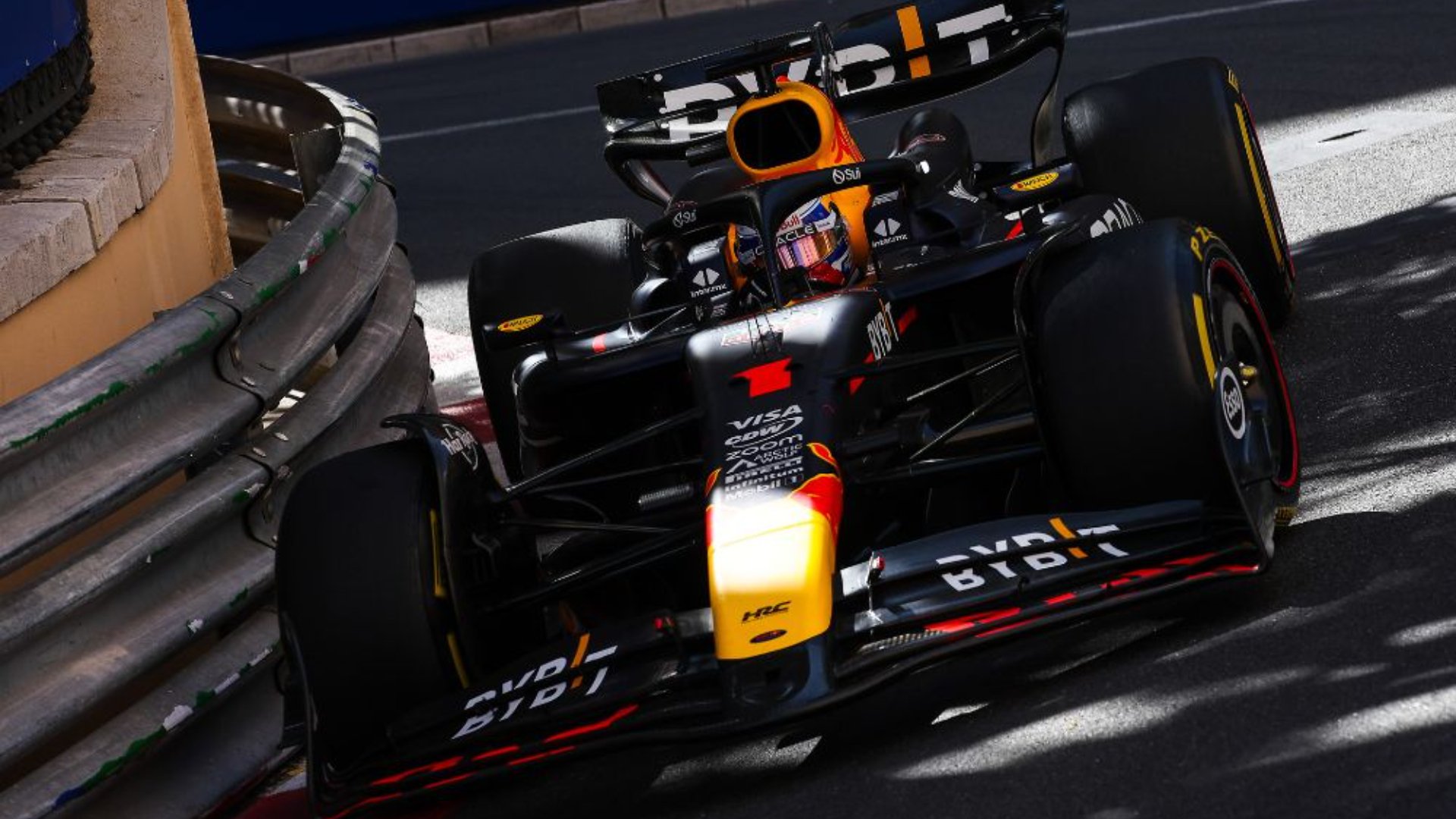
Photo: Jiří Křenek / Active Pictures

FIA confirms special energy deployment rules for Monaco Grand Prix



The FIA has outlined a special energy management configuration for the Monaco Grand Prix, with teams set to operate under a dedicated power deployment map tailored to the street circuit’s low-speed nature. The weekend will also be notable for the complete absence of active aerodynamic zones, meaning drivers will not be able to open their wings anywhere on the lap.
F1 & MotoGP news to your inbox every day.
The Monaco Grand Prix will feature one of the most unusual technical configurations of the Formula 1 season, with the FIA confirming circuit-specific energy deployment settings designed for the unique demands of the Principality.
Unlike other venues on the calendar, Monaco has no active aerodynamic zones. As a result, drivers will be unable to activate movable wings at any point during the lap, reflecting the circuit’s lack of long straights and its emphasis on slow and medium-speed corners.
Energy management will also differ significantly from the standard approach used elsewhere during the season.
For qualifying, drivers will have access to 9 MJ of electrical energy per lap. Despite Monaco’s relatively low average speeds, energy recovery is not expected to be an issue. According to Brembo data, drivers apply the brakes 15 times around the 3.337-kilometre circuit and spend roughly 19 seconds per lap under braking, creating plenty of opportunities for regeneration.
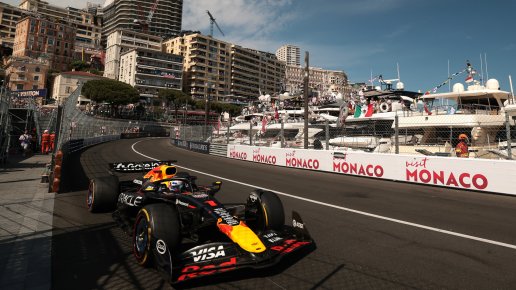
During the race, the available energy allocation drops slightly to 8.5 MJ per lap, while the overtake mode provides an additional 0.5 MJ.
Monaco will also use a dedicated engine setting known as Rev 1, which changes how battery power is delivered.
Under the standard system used at most circuits, the electric motor can provide its full 350 kW output until the car reaches 290 km/h. Beyond that speed, power is gradually reduced before reaching zero at the highest velocities.
In Monaco, however, the reduction begins much earlier. With the Rev 1 configuration, battery output starts decreasing from 200 km/h and falls to zero by 300 km/h. The strategy reflects the fact that Monaco offers very few opportunities to reach high speeds.
The overtaking mode follows a different profile. Although power reduction also starts at 200 km/h, it decreases more gradually, leaving drivers with 150 kW still available at 300 km/h before dropping rapidly to zero at 310 km/h.
The Monaco-specific settings underline how Formula 1’s new power units can be adapted to the characteristics of individual circuits, with energy deployment expected to play a key role throughout the weekend.