Photo: Getty Images / Red Bull Content Pool

F1 2026 new race start procedure explained



Formula 1’s 2026 regulation changes, including the removal of the MGU-H, have reintroduced turbo lag and prompted the FIA to adjust the race start procedure.
Formula 1’s 2026 regulation overhaul has brought a major change to the power units, most notably the removal of the MGU-H. This motor generator unit was connected to the turbocharger and helped keep it spinning at low revs. Because of this system, turbo lag was almost completely removed in the previous generation of cars.
Without the MGU-H, the turbo now depends entirely on exhaust gases to reach full speed. The higher the engine revs, the faster the exhaust flows and the quicker the turbo spins. However, this takes time. If the turbo is not already at maximum speed, there is a delay between pressing the throttle and receiving full power. This delay is known as turbo lag. As a result, the internal combustion engine cannot immediately deliver full torque, which makes getting away from the grid more difficult.
To solve this issue, drivers must now raise the engine revs earlier while waiting for the start. The turbo needs to be spinning at full speed before the start lights go out to avoid losing time. Managing the revs and releasing the clutch at the right moment will be crucial for a strong launch, especially in the early races of the season while teams are still learning.
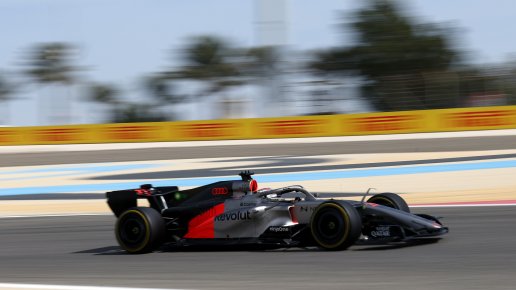
On safety grounds, the FIA has introduced a small change to the start procedure. From 2026, there will be an additional five second pre start phase before the usual light sequence begins. During this time, the grid panels will flash blue, giving drivers the opportunity to build up revs properly. The system was tested during pre season running in Bahrain and will be used from the opening round in Australia.
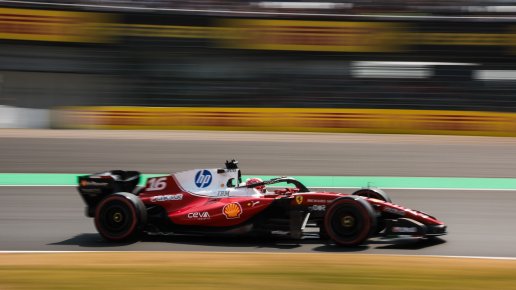
Some teams had already tried to reduce the impact of turbo lag through their design choices. Ferrari is believed to have developed a smaller turbocharger to reduce inertia and improve response at low speed. Team principal Frédéric Vasseur said it had always been clear that removing the MGU-H would make turbo lag a factor again and admitted he was surprised the start procedure was adjusted after manufacturers had designed their engines accordingly.
Others in the paddock also spoke about the situation, including Ayao Komatsu of Haas F1 Team, who acknowledged that turbo lag would become something drivers must manage carefully. With such a large technical reset, teams have had to make compromises between peak power and drivability. The result could be more unpredictable and exciting race starts in the first part of the 2026 season.