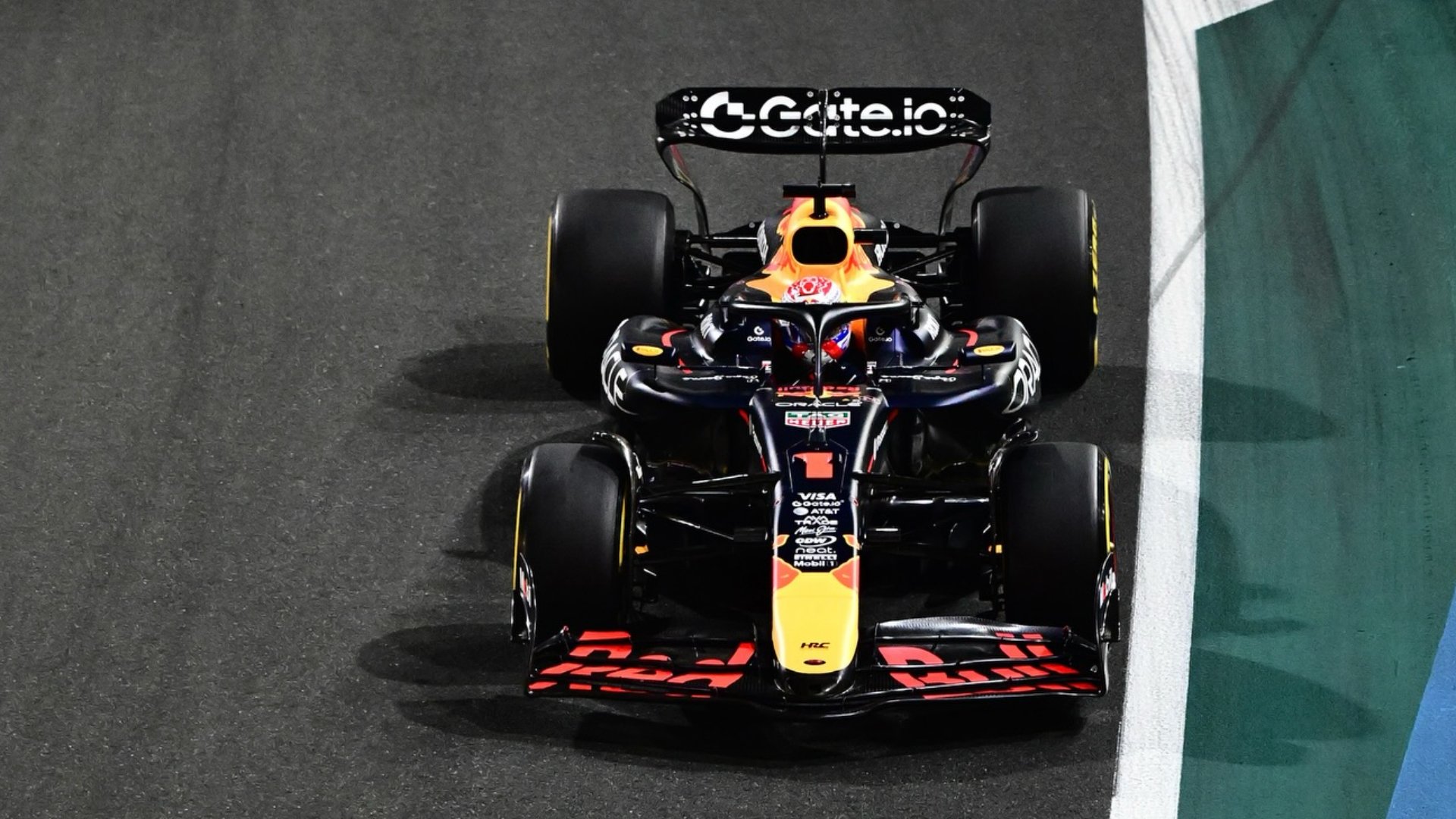
Photo: Red Bull Content Pool

Two teams face scrutiny over alleged F1 2026 engine compression-ratio trick



The 2026 Formula 1 engines have not yet turned a competitive lap, but controversy is already forming around them.
F1 & MotoGP news to your inbox every day.
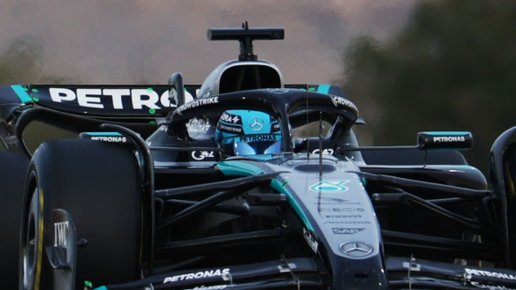
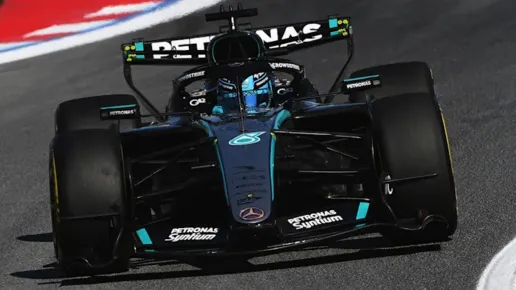
Reports within the paddock suggest that Mercedes and Red Bull are under scrutiny over whether they may have identified a method to remain within the letter of the 2026 regulations while potentially increasing the compression ratio under real running conditions. According to German outlet Motorsport Magazin, rival manufacturers have begun to take a closer interest in the matter and are seeking greater clarity on the interpretation of the rules.
Under Article C5.4.3 of the new regulations, the maximum compression ratio for the internal combustion engine will drop from 18.0:1 to 16.0:1. The intention behind the change is to restrict peak power while encouraging more efficient combustion. However, it is claimed that specific materials could be used in key components to expand at operating temperature, subtly altering internal geometry. This could allow the engine to pass static compliance checks at ambient conditions while achieving a higher effective compression ratio when hot.
According to the speculation, such a solution could be worth up to around 15 horsepower, potentially translating to as much as three tenths of a second per lap. Nothing has been proven, but the topic has already prompted discussions and formal clarification requests.

In reaction, the FIA confirmed that the subject has been raised and remains under technical evaluation with the power unit manufacturers. The governing body stressed that both the maximum permitted compression ratio and the method for measuring it are clearly defined.
“The topic has been and continues to be discussed in the technical forums with the power unit manufacturers, as the new limit naturally raises questions about interpretation and compliance,” the FIA noted, adding that it may implement further clarifications or measurement adjustments if needed to maintain fairness.
The FIA also reiterated that the regulations define compression ratio measurement as a static process conducted at ambient temperature. While it acknowledged that thermal expansion can influence dimensions, the current rule set does not include provisions for testing engines at elevated temperatures.
For now, the matter remains in the realm of suspicion and interpretation rather than confirmed wrongdoing – but it underlines how fiercely contested the development race for 2026 has already become, long before the new engines hit the track.